Helpful Insights
We Provide & Install The Latest Materials In Cabinetry, Countertops & Flooring
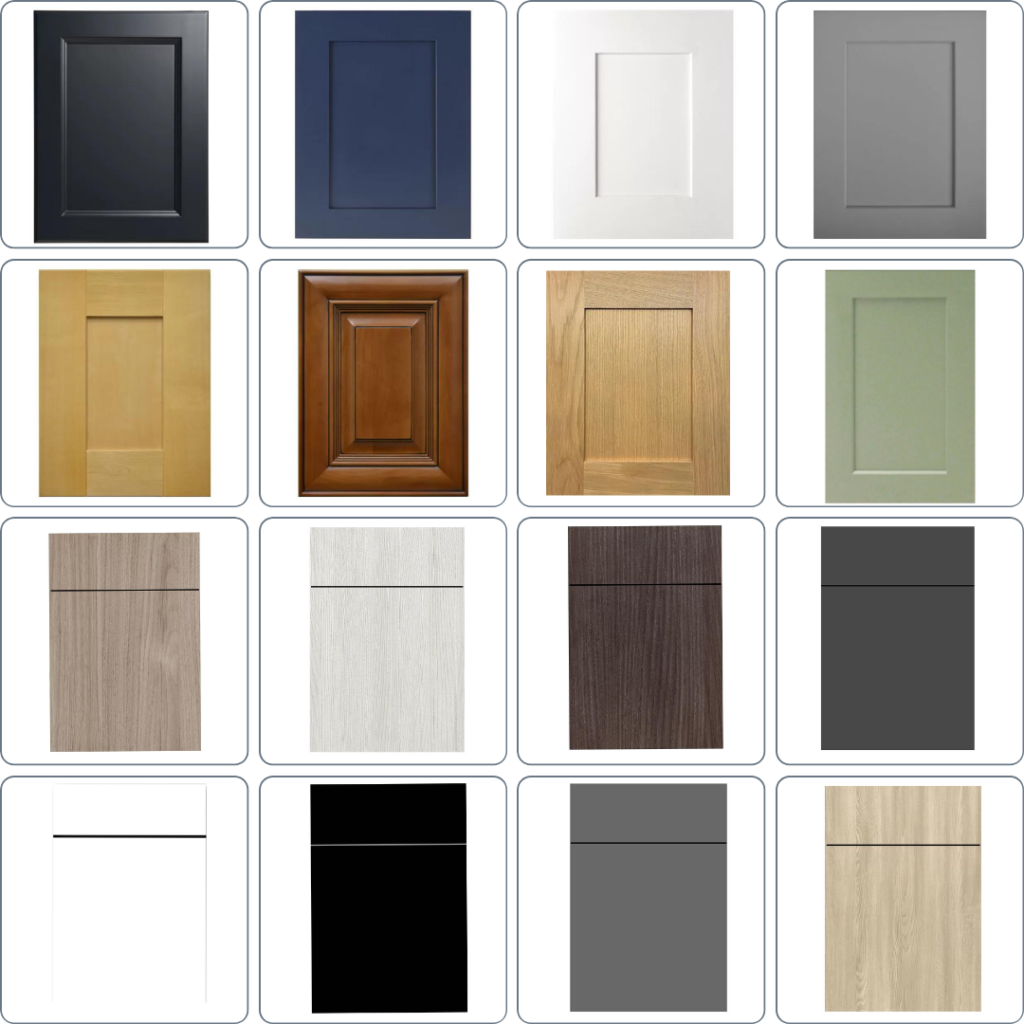
Know the difference:
American Framed
Cabinets refer to a traditional style of cabinetry construction where the cabinet doors are mounted on a frame that is attached to the front of the cabinet box. This frame typically overlays the edges of the cabinet box, known as the face frame, providing structural support and defining the cabinet’s appearance. This type of cabinetry is characterized by its sturdy construction, practical design, and versatility. Often made from hardwoods like oak, maple, or cherry, American framed cabinetry emphasizes traditional craftsmanship and attention to detail. It typically features shaker or raised panel doors, solid wood frames, and a range of finishes from natural wood to painted options. Functionality is key, with ample storage space and options for customization to suit various home styles and preferences.
European Frameless
Cabinets features doors that cover the entire face of the cabinet box without a face frame. This type of cabinetry is constructed with thicker box walls and utilize hidden hinges attached directly to the inside walls of the cabinet. This design creates a sleek, seamless appearance with minimal gaps between doors and drawers, offering a clean and contemporary look suitable for modern kitchen and bathroom designs. Materials used are often high-quality and can include laminates, wood veneers, or even metals like aluminum. European frameless cabinetry emphasizes functionality, space efficiency, and contemporary aesthetics, making it popular in modern home and kitchen designs.
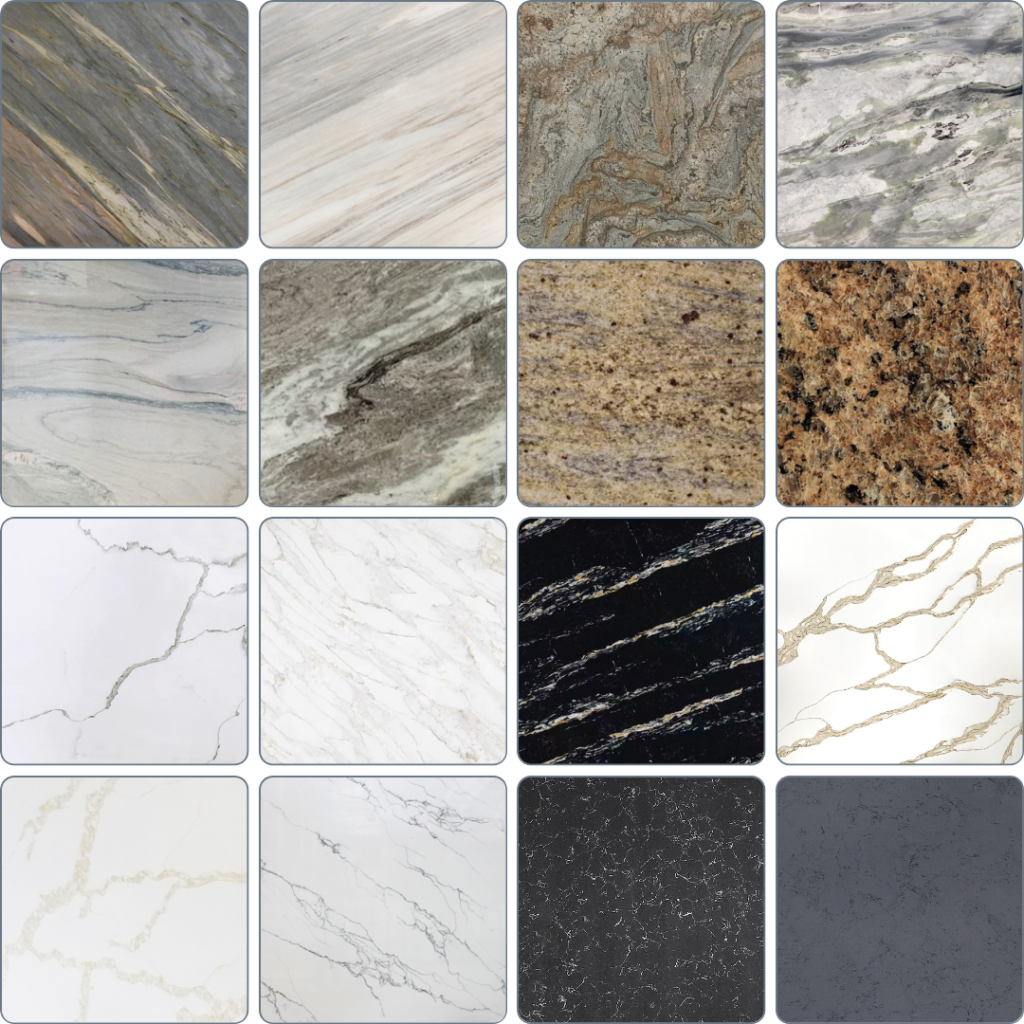
Know the difference:
Granite
Countertop is a natural stone surface prized for its durability and beauty. Its resistance to scratches, heat, and weathering makes it a popular choice for both indoor and outdoor use. They require regular sealing to maintain their appearance and protect against stains.
Quartz
Countertop is a sleek and durable surface made from engineered quartz stone. It combines the beauty of natural stone with modern technology, offering a non-porous, scratch-resistant, and easy-to-maintain option for kitchens and bathrooms.
Quartzite
Quartzite is a luxurious and durable surface crafted from natural stone countertop. Its hardness makes it resistant to heat, scratches, and stains, making it a popular choice for high-end kitchens and bathrooms seeking both elegance and resilience.
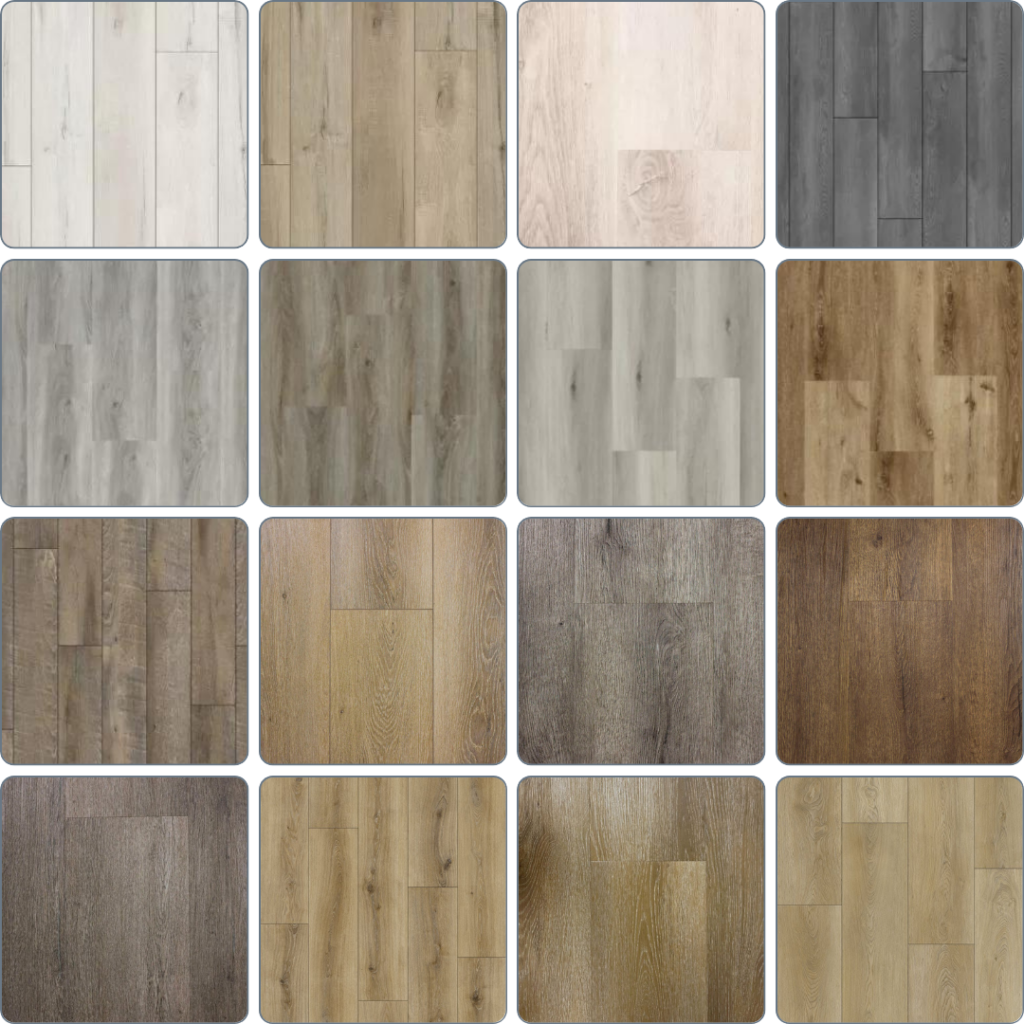
Know the difference:
SPC Vinyl
Flooring, short for Stone Plastic Composite Flooring, is a modern type of resilient flooring known for its durability and waterproof properties. It consists of a rigid core composed of limestone and stabilizers, topped with a printed vinyl layer and a wear layer for protection. SPC flooring is highly stable, resistant to scratches and dents, easy to maintain, and suitable for any room in the house.
Tile
Flooring consists of durable, often ceramic or porcelain tiles, laid in various patterns on indoor surfaces like floors or walls. It offers versatility in design, from sleek modern styles to rustic looks, and is favored for its ease of maintenance and resistance to wear and moisture.
Hardwood
Flooring is a type of flooring made from natural wood, typically derived from deciduous trees like oak, maple, or walnut. It’s known for its durability, timeless aesthetic, and ability to add warmth and character to any space. They are valued for their longevity and the ability to be refinished multiple times, making them a sustainable and practical choice for adding value and character to a space.
Popular Styles & Design Aesthetics
Traditional
Contemporary
Transitional
Farmhouse
Mid-Century Modern
Mediterranean
Remodeling: Expert Tips for a Successful Project
Remodeling a kitchen or bathroom can be a highly rewarding investment, enriching both your home’s value and your daily living experience. Yet, it often proves challenging and overwhelming due to the multitude of materials and styles available in the market.
As an experienced contractor, we recognize the intricate details, planning steps, and potential obstacles that homeowners may overlook during a remodel. Our deep commitment to this industry drives us to share valuable tips and steps that can help you navigate this process smoothly, regardless of whether you choose to enlist our services.
- Initial Planning: Begin with a clear vision of your goals and budget. Consider practical aspects such as layout and functionality alongside aesthetic preferences.
- Research and Inspiration: Gather ideas and inspiration from magazines, websites, or even visiting showrooms to get a clear vision of what you like and don't like. Decide on the overall design aesthetic you want for your kitchen or bathroom. Modern, traditional, minimalist, etc.
- Set a Budget: Establish a budget that outlines how much you're willing to spend on the remodel. Consider a buffer for unexpected costs. Identify the most critical changes or upgrades you want to make. This helps in case adjustments need to be made due to budget constraints.
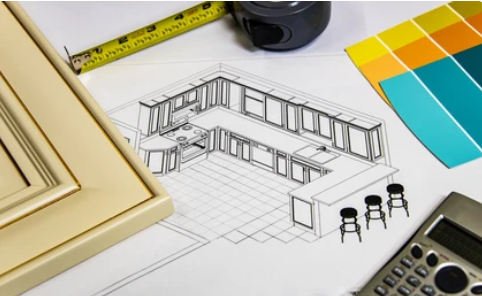
- Design and Layout: Work with your contractor or designer to create detailed blueprints or sketches. Optimize space and functionality through thoughtful design. Ensure that the layout accommodates your lifestyle and enhances usability.
- Material Selection: Select materials and finishes that align with your style preferences, and practical needs (e.g., durability, maintenance). Insist on high-quality materials to ensure long-term satisfaction and value.
- Communication and Transparency: Before starting the project, it's essential to thoroughly review and finalize measurements, materials, and plans with your contractor to ensure everything is covered. Maintain ongoing communication with your contractor throughout the project duration.
Beautiful Spaces.
Built to Last
Enhance your home with Overtime Remodeling. Book a free in-home consultation and let our licensed team create spaces that are stylish, functional, and safe.